The Complete UK Guide
Battery safety in vaping requires serious attention. Having worked with customers for years, I've noticed a consistent pattern - those who understand battery safety from the beginning avoid problems entirely.
This guide covers essential knowledge for all vapers, whether you're using your first pod vape kit or considering advanced rebuildable systems.
Identifying Your Battery Type
Understanding your battery type determines the safety procedures you need to follow.
Built-in batteries are sealed within pod kits and starter devices. You charge the entire unit via USB and never handle the battery directly. These represent the safest option for new vapers because direct battery handling isn't required.
Removable batteries are used in advanced modifications. The most common size is 18650, with 21700 batteries becoming increasingly popular in newer devices. These numbers tell you the physical size - 18mm wide and 65mm long for 18650 batteries, for example. When fully charged, these batteries read 4.2V on a meter, and you'll want to recharge them when they get down to about 3.7V.
Your device manual tells you exactly which batteries work with your mod. Don't take chances by assuming any battery will do - wrong batteries can wreck your device or cause safety problems.
Removable Battery Maintenance
Removable batteries require consistent care practices, though the procedures are straightforward.
Safe Storage Protocols
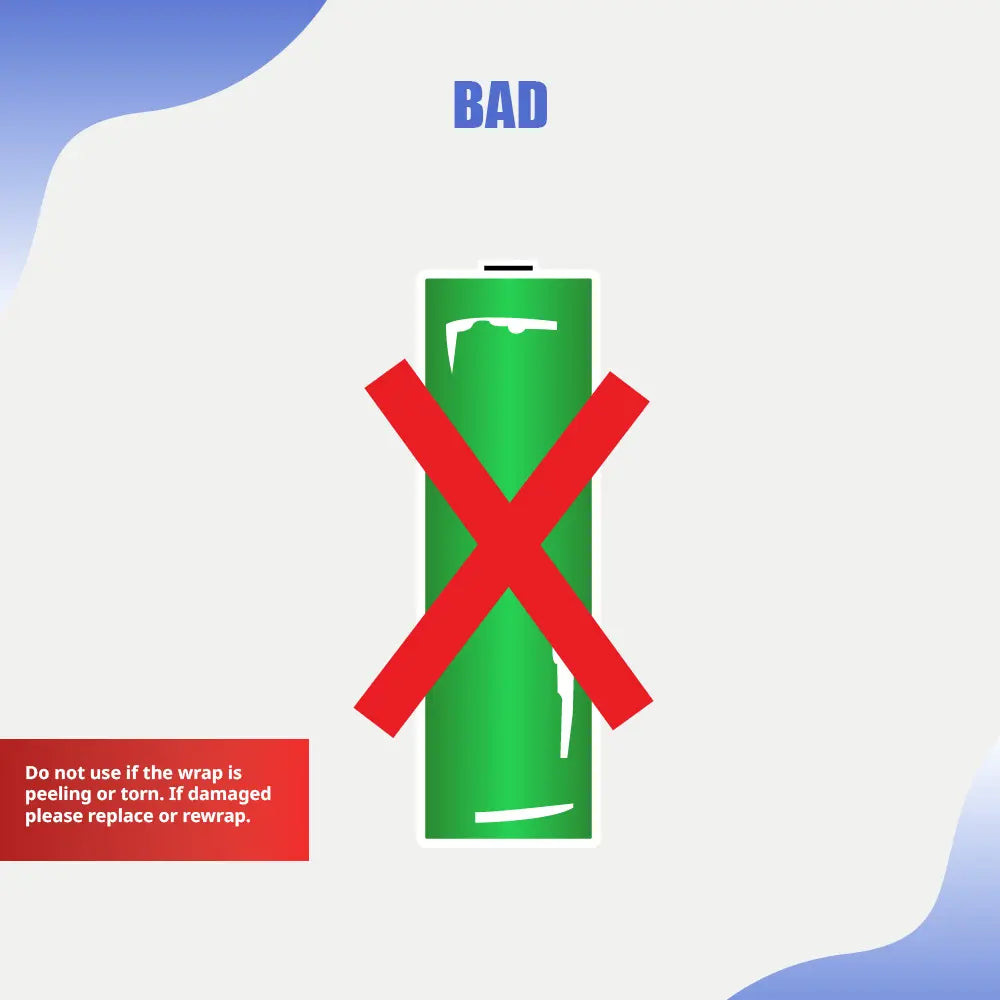
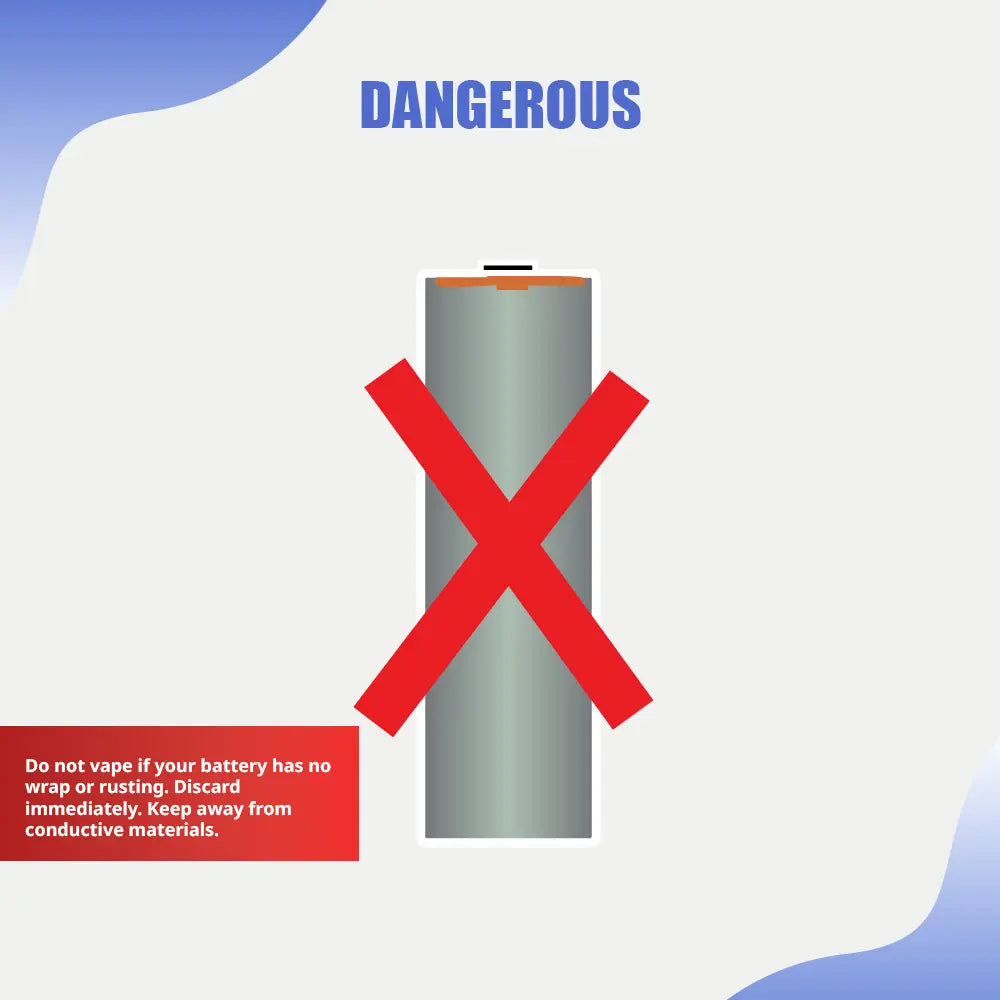
Most battery incidents occur when loose batteries contact metal objects in pockets or bags. Keys, coins, or other batteries can create short circuits resulting in battery damage or more serious consequences.
Battery cases provide complete protection for this issue. These plastic containers cost approximately £2 and prevent batteries from contacting inappropriate materials. We recommend purchasing cases for each battery set you own.
When installing batteries in devices, verify orientation carefully. Positive and negative terminals must align correctly - incorrect installation can damage equipment or cause battery venting.
Charging Procedures
Charging represents a critical safety area where many users take unnecessary risks.
For any device where you can remove the batteries, we always recommend using an external charger rather than charging through the device. External chargers are safer and better for battery health in the long run. They charge more evenly and reduce stress on your device's internal circuits.
If you're charging through your device rather than an external charger, stick to the USB cable that came in the box. Each device has its own charging requirements, and mixing cables from different manufacturers can lead to trouble. Find a solid surface for charging - your kitchen counter or a tiled area works well.
Never walk away and leave batteries charging, particularly when you go to bed. I know it seems handy to charge overnight, but most accidents happen when nobody's watching. Use your phone's timer to remind you, then disconnect everything once charging stops.
After heavy vaping sessions, batteries get warm. Give them time to cool back to normal room temperature before plugging them in. Charging hot batteries creates unnecessary risks.